
Nodpod weighted sleep mask · review notes
Nodpod weighted sleep mask: pressure without the strap
A review of how the Nodpod feels in the hand, over the eyes, and after six hours against the pillow — for anyone who has pulled a tight elastic mask off at three in the morning.
The design idea
What the weighted design changes
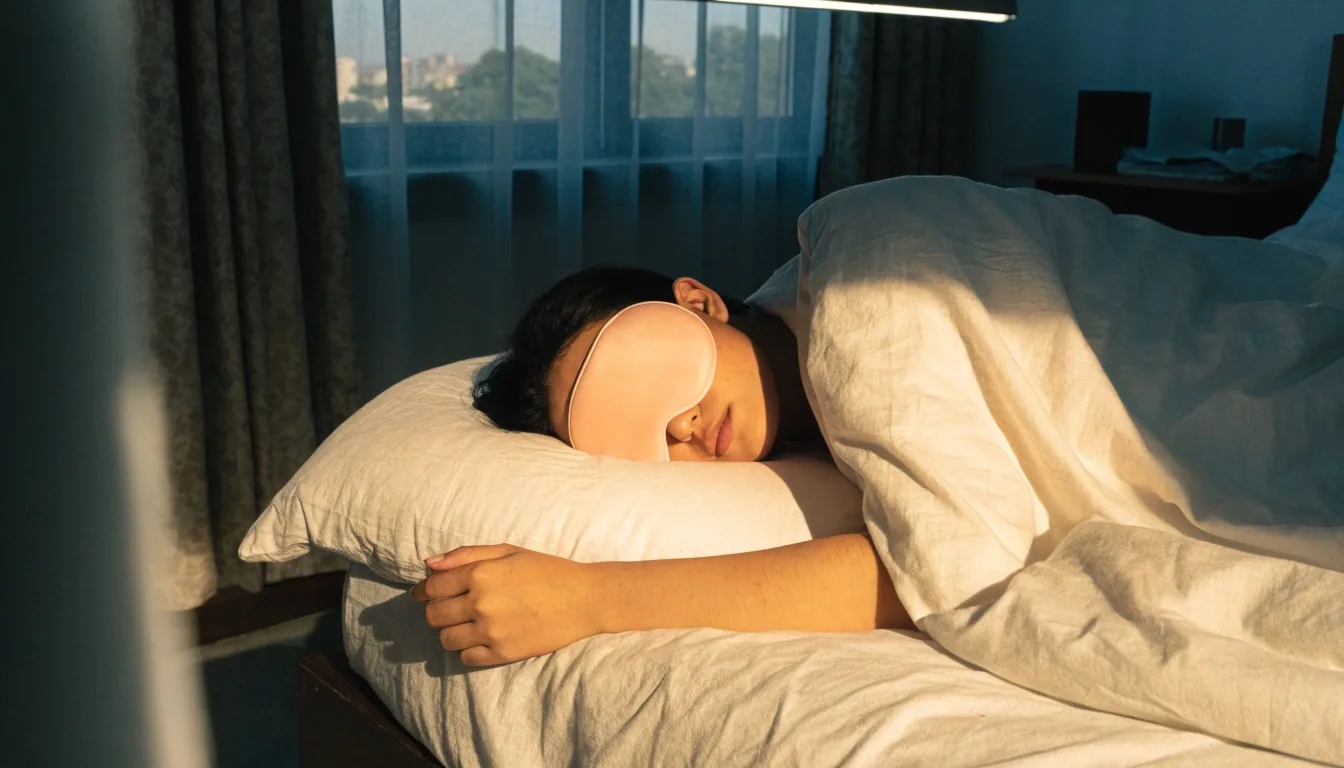
The Nodpod weighted sleep mask shows up repeatedly in sleep-product roundups for a specific reason: it uses a weighted design to add gentle pressure around the eyes, and it is often pitched at people who dislike bulky head straps. That is a narrow pitch, and it is an honest one. This review looks at what the mask is like in use, how it handles light, and who should pick a contoured mask instead.
Most sleep masks apply pressure through an elastic strap, which is where the complaints come from: pressure on the temples, marks in the morning, and a tight feeling that builds overnight. Nodpod moves the weight to the mask itself, adding gentle pressure around the eyes instead. That is the whole design idea.
If you have ever taken a mask off at 3 a.m. because it felt too tight, this is the alternative. If you have never had that problem, the benefit is smaller for you — and the price stops making sense.
Where the pressure sits
Strap-based masks
The mask is pulled onto the face. Pressure builds where the elastic meets the temples and the back of the head. Fit is adjustable, so most head sizes can be made to work — but the tension does not go away overnight.
Weighted Nodpod
The mask rests on the face and holds itself there with weight, not tension. There is no strap to loosen or tighten, so the experience is stable through the night — but the fit no longer adapts to you.
How it behaves overnight
Light blocking in real use
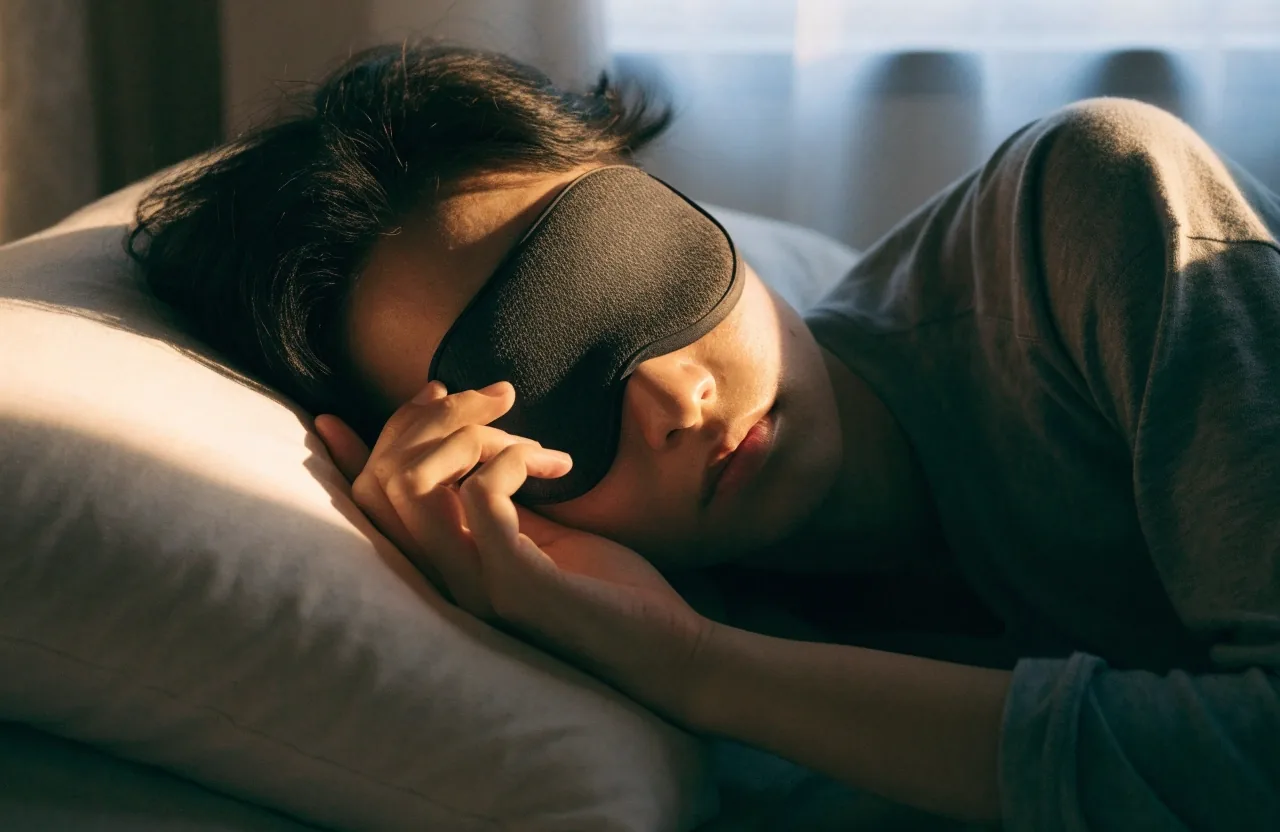
The weight needs to rest in place. That works well on your back, and takes a night or two to settle on your side.
Weighted masks block light differently from flat contoured masks. Because the weight sits over the eyes, the mask rests in place rather than wrapping tightly around the head. For back sleeping that is a clean fit. For side sleeping it depends on how the mask settles against the pillow, and most people need a night or two to find the position.
It is not a hard-shell blackout design, so a bright room with direct light through thin curtains may still let some through at the edges. The comparison below is the honest read on that.
- Dark bedroom, closed curtains Holds up
- Thin curtains, direct morning sun Some edge light
- Hotel room, thin blackout blinds Workable
- Full sun through a single window Contoured shape better
The one-sentence pitch
Pressure without the strap, and no marks in the morning.
That is the trade the Nodpod makes on purpose: it gives up strap-based fit adjustment in exchange for a calm, steady weight over the eyes. Cold mornings are not in the marketing pitch. Warm, air-conditioned bedrooms are where this design feels most at home.
Comfort over a night
How it actually feels at hour six
The calming effect comes from pressure — the same mechanism people describe with weighted blankets. In a warm room that can work against you: extra fabric over the face holds heat, and by 4 a.m. it is noticeable. In an air-conditioned bedroom, most people forget it is there.
The mask is not adjustable the way a strap is, so fit matters more than with elastic designs. It suits average head sizes best, and it is worth checking the return policy if you sit at either extreme of that range. That is the only structural limitation here, and it deserves to be stated plainly.
Fabric weight and finish also affect how the mask feels across a night. A quiet, matte surface slides less on linen and cotton pillowcases than a slick synthetic weave, which is the difference between it staying put and needing a reset at 2 a.m. On flannel or brushed sheets the mask holds position more easily than on cool percale.
What the pressure costs you
- Extra warmth over the eyes in an uncooled room.
- No strap — so no adjustment for unusual head sizes.
- Needs a night or two to sit correctly on side sleepers.
Where it wins
- No temple pressure building overnight.
- No morning elastic marks on the face.
- Weight feels steady on the eyes, not tight on the head.
Sleeping position and travel
Back, side, and the seat tray on a night flight
The same mask reads differently depending on how you sleep and where. Three notes from use cases that come up again and again.
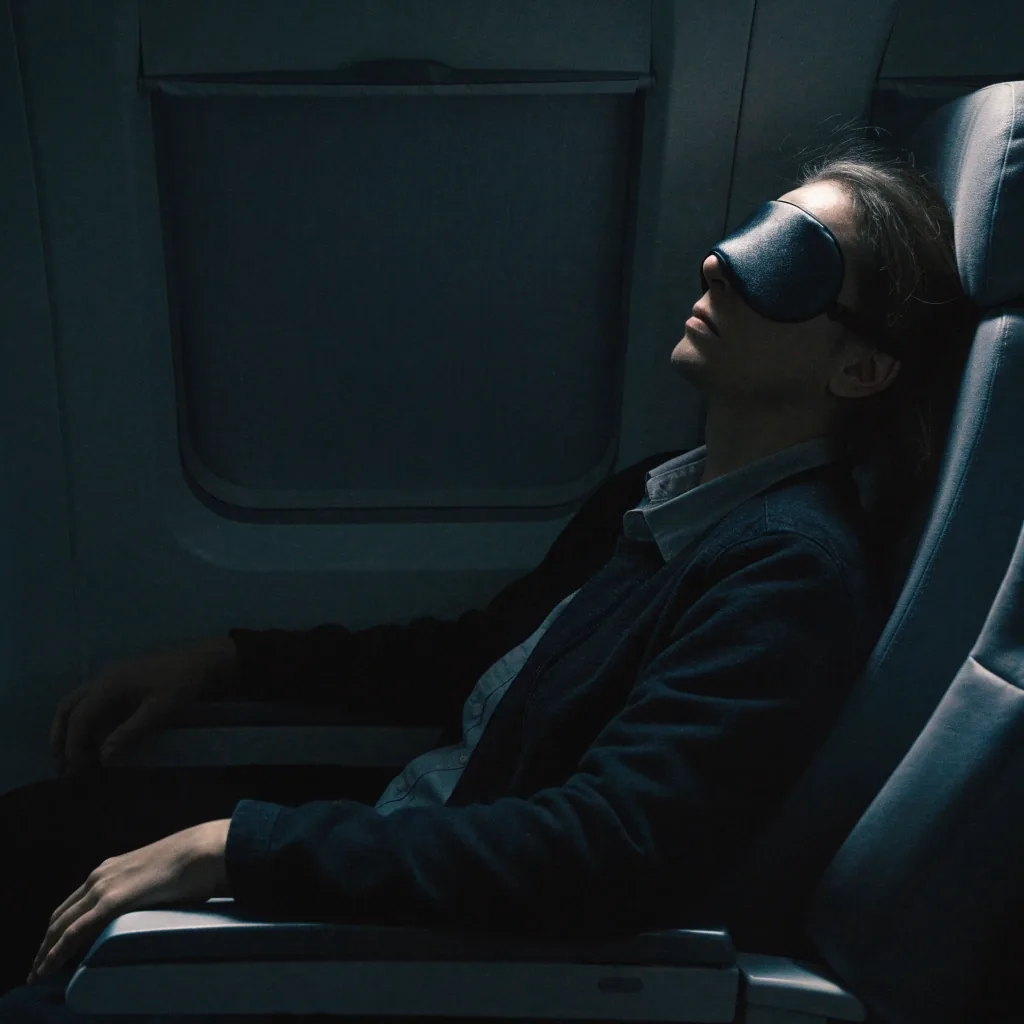
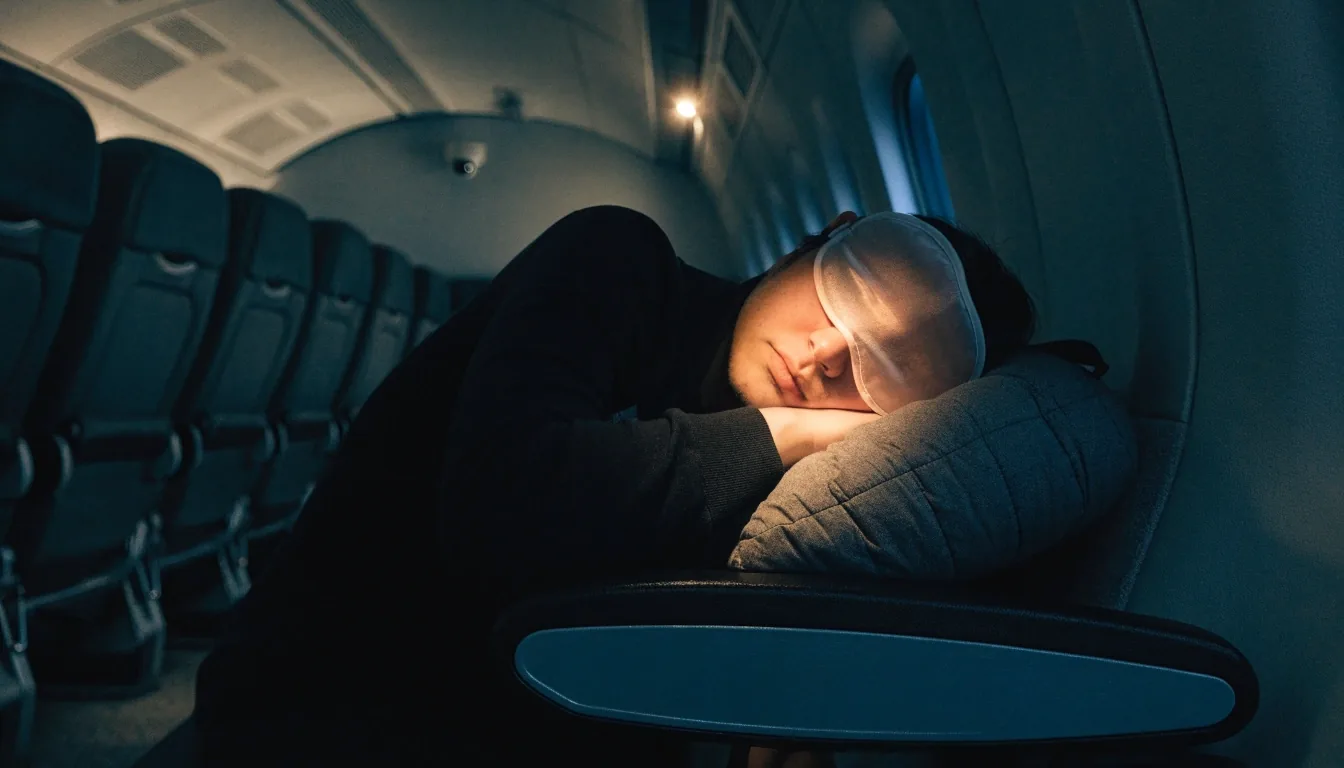
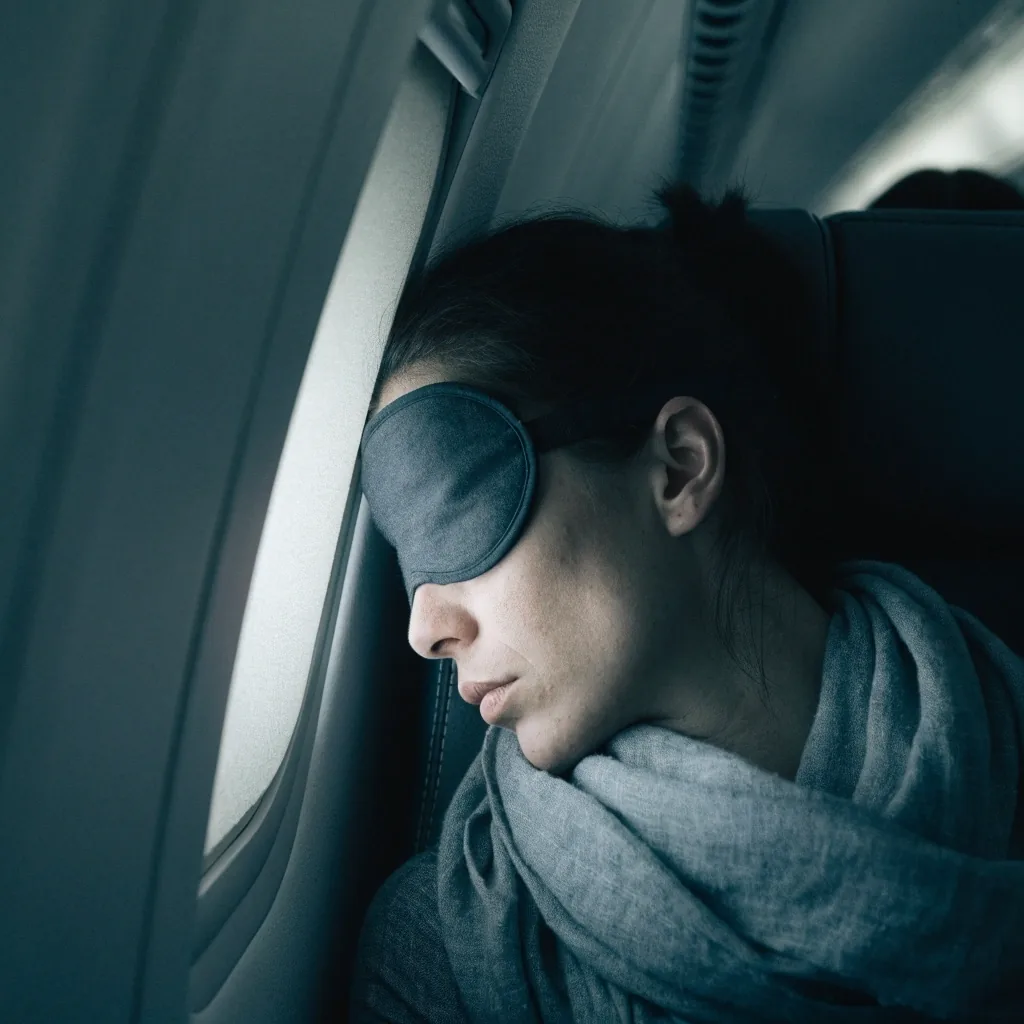
For back sleepers this mask is one of the easier recommendations on our list — it stays put without a strap, and the pressure does not build up behind the head. Side sleepers usually manage, but the mask can shift against the pillow and the weight becomes less noticeable. For travel it is compact and needs no adjusting, which makes it a reasonable choice for flights and hotel rooms where curtains are thin. If you need dependable blackout on a plane, a contoured hard-shell mask is more predictable.
Head to head
Nodpod versus a contoured blackout mask
The direct alternative is a contoured mask like the Bon Charge Classic Blackout Sleep Mask, which is built around blocking out light and uses a shape that avoids pressing on the eyes. Bon Charge solves light. Nodpod solves strap pressure and adds a weighted, calming feel.
What matters
Nodpod weighted
Contoured blackout
Who it suits
How the mask stays on
Weight does the work
Shell shape and headband
Straps for people who want fit control
Light blocking at the edges
Some edge light in bright rooms
Tight seal around the eyes
Total blackout in bright rooms
Pressure on the face
Gentle, calming pressure
None — avoids the eyes
People who dislike weight on the face
Warmth over the eyes
Holds heat in an uncooled room
Lighter fabric, less heat
Sleepers in air-conditioned rooms
Fit adjustment
None — fixed shape
Adjustable strap
Unusual head sizes
If you sleep on your back and want the strongest blackout, the contoured mask has the edge. If you dislike straps and want pressure, the Nodpod is the one to try. Owning both is not unreasonable — they cover different nights and different rooms.
Bedtime routine
The last step before sleep
A weighted mask is a physical cue, and that is how it works best in an evening routine. Put it on at the same point every night — after the lights go down, after your shower or pillow spray — so it marks the final step before sleep. A wind-down routine only does its job when the last step is the same step every time.
This Works Deep Sleep Pillow Spray or a magnesium-infused shower gel can cover the earlier part of the routine. The mask covers the last one. Used this way, it does a job beyond blocking light: it tells you the routine is finished.
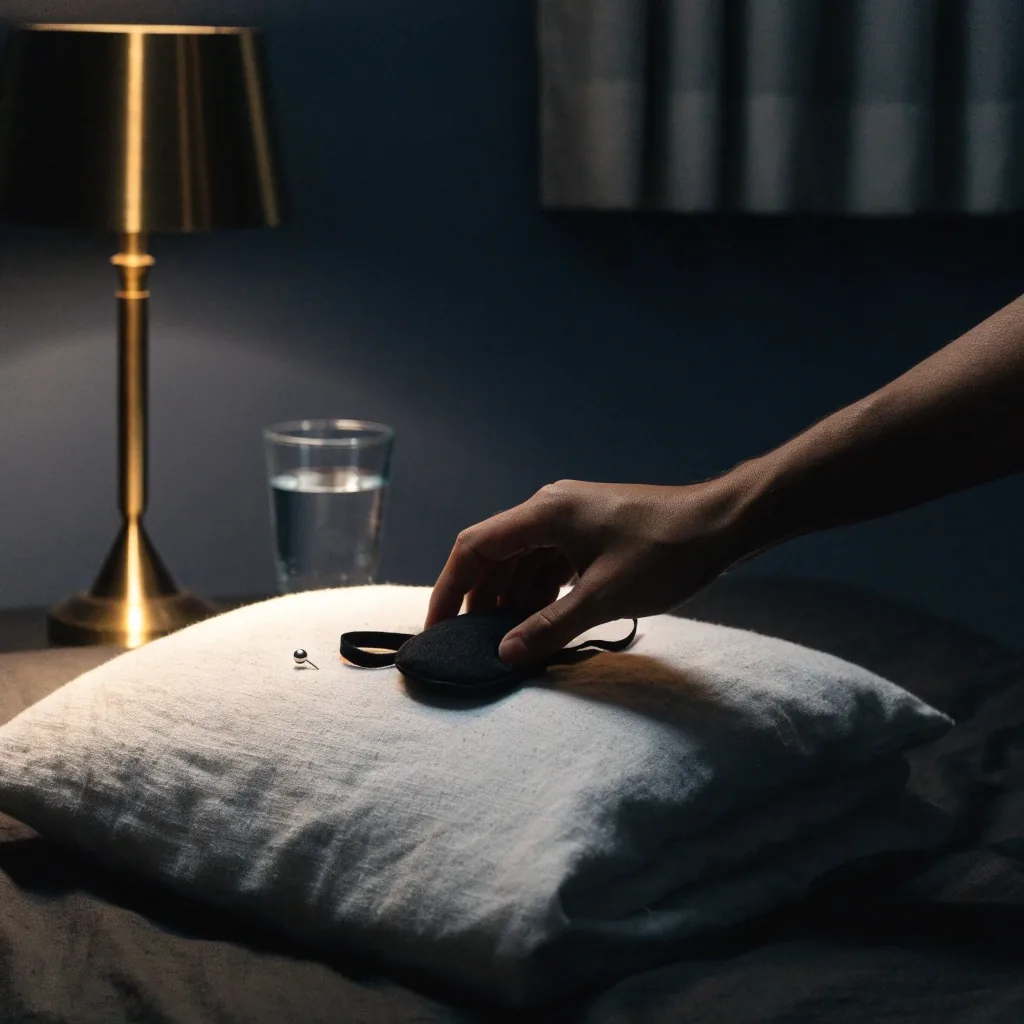
Same point every night, after the lights go down. The mask marks the end of the routine.
An honest read on fit
Who should skip it
The Nodpod is built for one specific complaint. If you do not have that complaint, it is not for you — and there are clearer alternatives in each case below.
You need total blackout in a bright room
Contoured hard-shell mask is a better tool
Skip
You sleep hot and do not use air conditioning
Extra fabric over the face will bother you by morning
Skip
You have a very small or very large head
No strap means no fit adjustment
Skip
You are happy with a cheap elastic mask
No reason to replace what already works for you
Skip
The same idea, smaller scale
Weighted mask versus a weighted blanket
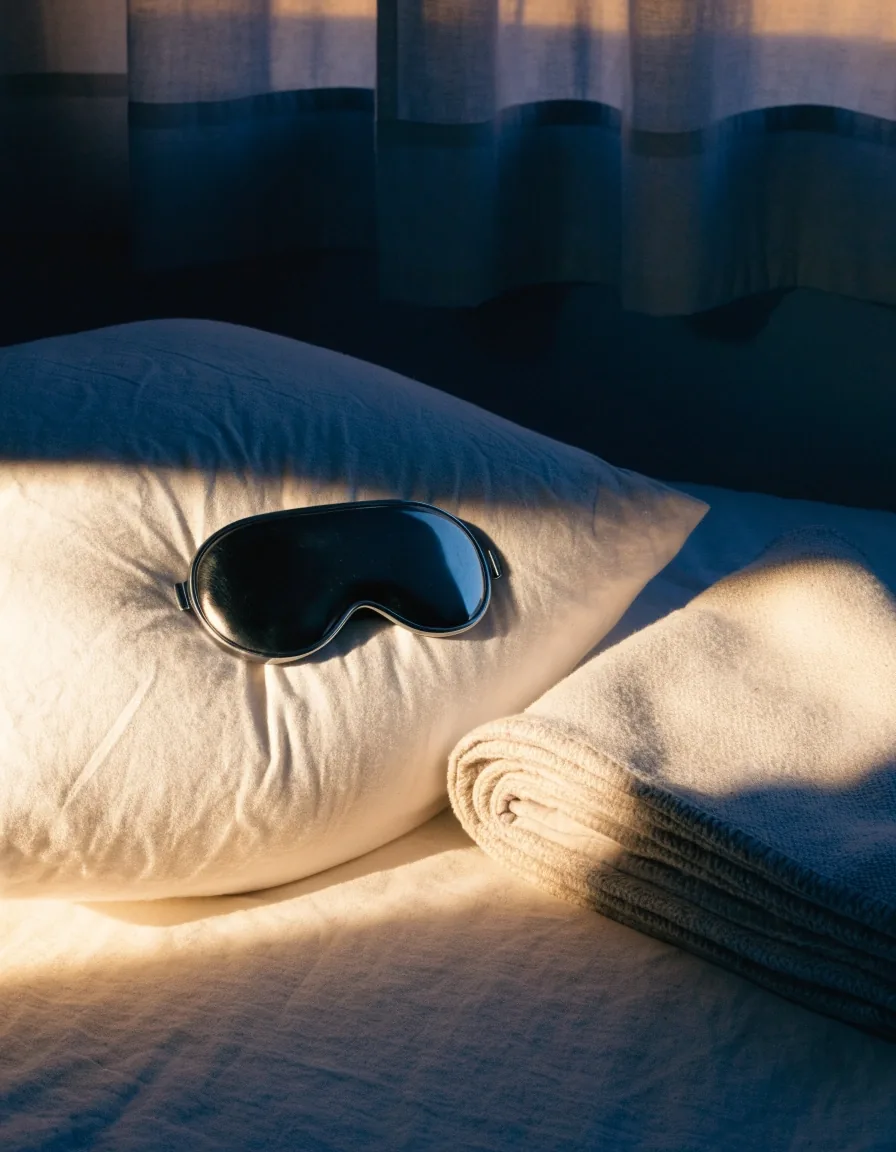
Same pressure mechanism, very different footprint. In a warm bedroom, the scale matters.
The pressure idea here is the same one behind the Baloo Living Weighted Blanket, which uses weight-based pressure as its main selling point and is frequently compared with others for comfort and warmth. The difference is scale.
A weighted mask applies pressure to a small area and does not add heat across your body, which makes it a practical option in a warm bedroom where a full weighted blanket feels like too much. If you have tried a weighted blanket and liked the pressure but not the warmth, this is the sensible next step.
Weighted blanket
Broad pressure across the body. Adds warmth across the whole bed — a genuine problem in an uncooled equatorial room.
Weighted mask
Narrow pressure around the eyes. Warmth stays local and manageable in an air-conditioned bedroom.
Questions we keep getting
Three questions before you buy
Does the Nodpod mask block light completely? +
It blocks light well without a tight strap, but it is not a hard-shell design. In a room with direct light through thin curtains, some light may reach the edges. A contoured mask handles that better.
Is it comfortable for side sleeping? +
It works, though it can shift against the pillow and the weight feels less noticeable there. Back sleepers tend to find it easier.
How does it compare with a weighted blanket? +
It gives you a similar pressure sensation in a much smaller area, without the heat of a full blanket. In a warm bedroom, that is the practical advantage.
Where to go next
Pick the mask that matches how you sleep
If you dislike straps and want gentle pressure over the eyes, the Nodpod is a real answer. If you need total blackout in a bright room, a contoured mask is the more reliable tool. Either way, the rest of the bedroom setup — light, temperature, and a repeatable wind-down — does the heavier work. Compare the sleep masks side by side, or read the bedroom setup guide to sort the room itself first.